Boba Cafe Simulator Cafe Build and Layout
Design a Sugarville shop where every step from cup to customer takes one short loop.
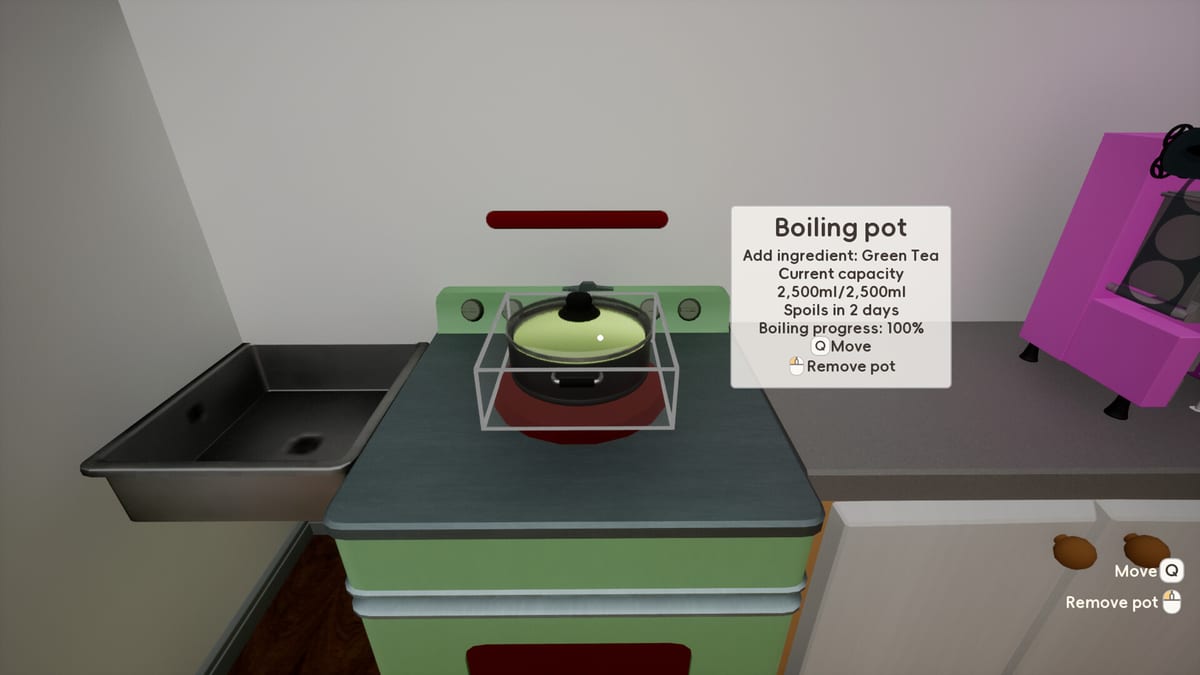
Boba Cafe Simulator is a milk tea sim where your hands move as much as your menu. You can unlock every recipe in the catalog and still lose rush hours if the induction cooker sits on the wrong wall or delivery bags share a printer with dine-in labels. The Build category covers everything physical about your cafe: where furniture goes, what to buy from Mr Wong, how decor feeds popularity, and when expansion earns its rent.
Shop design is not cosmetic alone. Layout determines whether boba pearls finish cooking before the third customer pays, whether wide straws are one step or five from the sealer, and whether a co-op partner can restock milk without crossing your fruit line. Treat build decisions with the same seriousness as Menu and Pricing — both define throughput.
What this category covers
Four guides split the work:
- Best Cafe Layout — prep loops, cup flow, delivery corners, and move-mode tricks with Q.
- Equipment from Mr Wong — appliances, ingredients, phone orders vs walking across the street.
- Decor and Popularity — sign choices, themed furniture, happiness, and rating growth.
Start with layout if orders feel slow despite Perfect technique. Start with equipment if recipes are unlocked but stations are missing. Start with decor if prices are fair yet foot traffic stalls.
The preparation pipeline mental model
Every drink passes through the same abstract stations: cup and label, base liquid, customization (sugar, ice, heat), finishing (seal or lid, straw), service (counter or bag). Your floor plan should arrange furniture in that order so you rarely walk backward.
Boba loops cluster the pot, induction cooker, tea dispenser, milk crate, topping bowl, sugar, ice, sealer, and wide-straw organizer. Coffee loops cluster beans, grinder, machine, paper cups, sugar, and lids. Fruit loops cluster produce crates, cutting board, and juicer near ice.
When loops intersect — shared sugar, shared ice, shared cup organizer — place the intersection at the center of a U-shape so both loops reach it without colliding. Collisions become visible during lunch rush when two players grab the same sealer.
Mr Wong and the supply triangle
Mr Wong’s shop sits across the street from your cafe. Walking there buys ingredients and equipment without phone delivery fees, ideal during quiet prep windows. Phone orders cost a small fee but keep you at the register during active service.
Equipment purchases should follow menu plans from the Recipes hub. Buying a juicer before listing any fruit drink wastes floor space. Buying a second induction cooker before boba listing confirms you can staff two pearl batches makes sense only in co-op or high-volume saves.
Delivery space is build space
Once takeout unlocks, dedicate a delivery corner away from dine-in pickup. Mixing label printers guarantees wrong tickets on cups. The delivery corner needs: delivery label printer, bag storage, finished-drink staging, and a path to the door that does not cross the customer-facing counter.
Full workflow lives in the Delivery hub, but the build decision happens early — reserve two square meters before clutter makes rearrangement expensive.
Expansion, rent, and bills
Shop expansion adds floor tiles for dining tables, extra counters, and future staff stations. First expansions may feel smaller than the price tag implies; optimize the current footprint in Best Cafe Layout before expecting a magic fix from raw square footage.
The Bills app tracks rent and electricity. Lights and idle machines draw power; toggle equipment when quiet. Pay outstanding bills before cosmetic spending — an empty beautiful cafe still shutters if rent bounces.
Co-op build considerations
Up to eight players share one layout. Assign zones verbally: north wall boba, south wall coffee, east corner delivery. Symmetric loops let any player cover any station during breaks.
Avoid narrow chokepoints between the register and prep. Two avatars stuck on the same tile during a platform delivery burst costs more than an extra meter of walkway.
How build connects to recipes and delivery
Recipe count drives equipment count. A three-drink menu needs fewer stations than a twelve-drink festival board. Unlock paths in Unlocking Recipes should trigger shopping lists in Equipment, not impulse buys.
Delivery platforms multiply output requirements without adding floor space magically. Stable build comes before stable delivery — read Platform Contracts only after your counter loop runs clean.
Recommended reading order
New saves: Equipment essentials, then Layout for the starter room, then Decor once lemonade and coffee flow. Mid game: Layout delivery corner, Decor for popularity gates, revisit Equipment for pearl and steam upgrades. Late game: expansion planning with all three guides cross-checked against your active menu size.
General onboarding remains in Getting Started.
Frequently Asked Questions
Quick answers for new and returning cafe managers.
How do I move furniture in Boba Cafe Simulator?
Press Q to enter move mode. Items snap to walls; rotate with the mouse wheel. Reorganize during closed hours so customers are not blocked.
Should I expand the shop or rearrange first?
Rearrange first. First expansions add limited space; a tight efficient loop often beats a larger messy floor.
Where should the delivery station go?
Separate from dine-in pickup. Keep the delivery label printer, bags, and outgoing drinks in one corner away from customer cups.
Is buying from Mr Wong always better than phone orders?
Walking avoids delivery fees but costs time at the counter. Use Mr Wong during prep; use phone orders during active rushes if you must restock.